
Why the E-Collar Is a Teaching Tool, Not a Correction Tool
May 12, 2026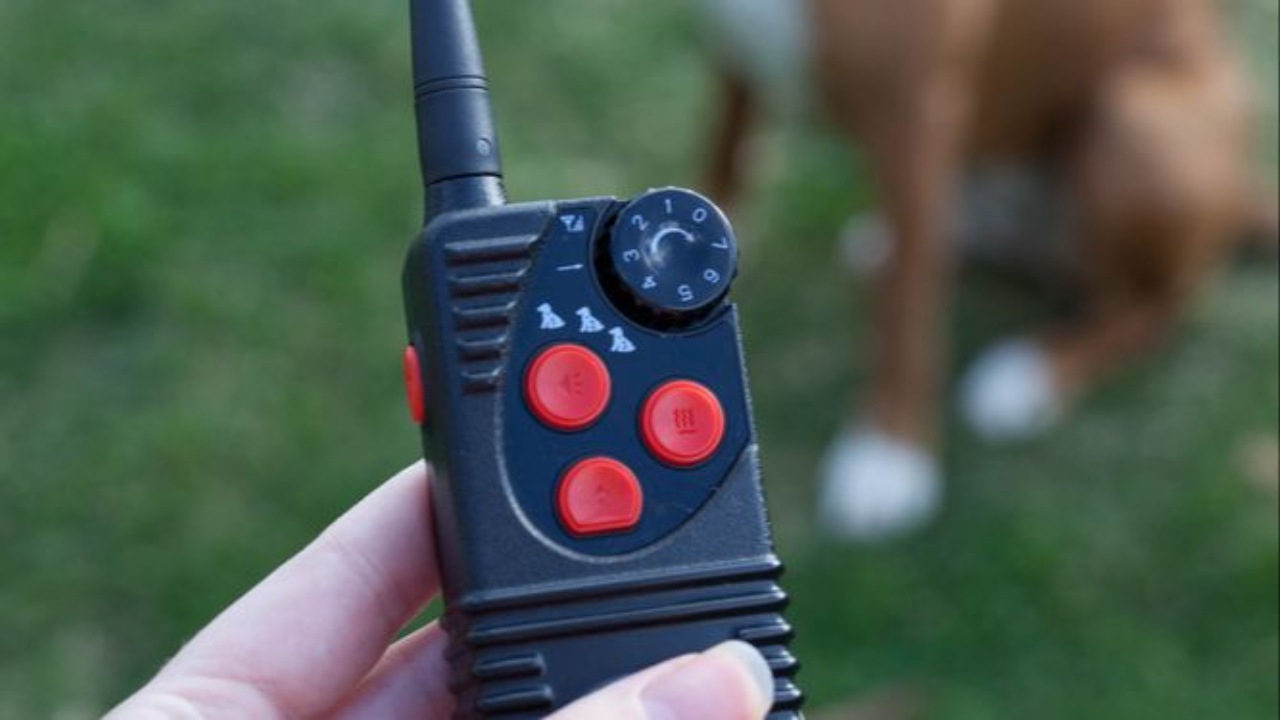
Most handlers buy their first e-collar to fix something.
The dog won't come when called. The dog chases deer. The dog ignores the whistle at 80 yards. At some point, the owner decides the answer is a remote collar and puts it on with one job: stop the behavior.
That is an understandable reason to buy an e-collar. It is also the quickest way to limit what the tool can do for you and your retriever.
The Misconception
The idea that an e-collar is a correction device runs deep. It was how the tool was originally marketed, how most handlers first hear it described, and how many trainers still use it. Press the button when the dog does something wrong. The dog stops. Problem solved.
The trouble is that a dog trained that way learns only one thing: the collar is something unpleasant that happens when I do the wrong thing. They do not learn what the right thing is. They learn to avoid, not to perform.
That is a narrow use of a tool that is capable of much more.
What the E-Collar Actually Teaches
Used correctly, the e-collar is not a punishment device. It is a communication system. It gives the dog a signal they can answer. When they answer correctly, the signal stops. When they do not, the signal continues until they figure out what turns it off.
That is negative reinforcement. The word "negative" does not mean bad. It means something is taken away. What gets taken away is the pressure, and what gets strengthened is the behavior the dog used to turn that pressure off.
This is how a young retriever learns to come when called, sit on the whistle, and hold position on a mark. The collar is not telling them "no." It gives them a question they can answer and rewards the answer by going quiet.
A dog trained this way does not shut down. They engage. They look for the answer. Once they know it, the command alone will do the job.
Teach First, Then Correct
There is a rule in Pat Nolan's system most handlers learn the hard way: teach the dog what to do before you try to teach him what not to do.
A retriever trained clearly with an e-collar already knows what "here," "sit," and "heel" mean, and most behavior problems are solved before they start. A dog that comes reliably when called does not run into traffic. A dog that sits on command does not jump on guests. A dog that holds a line does not break on flyers.
When the foundation is built, the corrections you need later are faster, clearer, and rarer. The dog already knows the right answer. You are simply reminding them to give it.
That is a completely different conversation than the one most handlers try to have with a collar strapped on a dog who has never been taught what to do.
The Collar-Dependent Dog
There is one more cost to using the e-collar only for correction: it produces a dog who only works when the collar is on.
Handlers notice this when they take the collar off for a photo, a vet visit, or a walk in the park, and the dog suddenly acts like a stranger. That dog was never really trained. They were managed. The collar was doing the work, and the dog knew it.
A dog trained with an e-collar rather than corrected by it does not have that problem. They have learned commands, not avoidance. The collar eventually fades into the background, and the dog keeps working because they know their job.
Where to Start
Pat Nolan's E-Collar Conditioning for the Field course shows how to introduce the collar as a teaching tool from day one. It covers what most handlers miss: how to find the right starting intensity, pair the tap with guidance so the dog understands how to turn it off, and move from teaching new commands to phasing out the tap once the behavior is reliable. A retriever conditioned to the collar the right way is a different dog in the field. They work with you, not around you. They are steady under pressure because they understand what pressure means.
That is what the tool is built to do.
Pat Nolan's E-Collar Conditioning for the Field course is the starting point for handlers who want to use the e-collar the way it was meant to be used. For a deeper look at how e-collar conditioning connects to drive-based training, the Connecting Obedience with the Pursuit of Reward webinar is a natural next step.


